

Anti-Aging Secrets: Science-Backed Tips That Actually Work
Introduction: "What They Say" - The Fountain of Youth in a Jar
Walk into any beauty store, and you'll be bombarded with promises of "age-reversing miracles," "wrinkle erasers," and "youth-restoring elixirs." The anti-aging industry has mastered the art of selling hope in expensive jars, convincing us that the secret to eternal youth lies in the latest peptide complex or exotic plant extract. We're told that aging is optional, that with the right products and enough money, we can turn back the clock and achieve the skin of our twenties well into our fifties and beyond. But here's the reality check your wallet needs: aging is a natural, inevitable process, and no cream, no matter how expensive or scientifically-sounding, can stop time. However, what science can do is help us age gracefully, maintaining healthy, resilient skin that looks its best at every stage of life.
"What Science Says" - The Real Science of Skin Aging
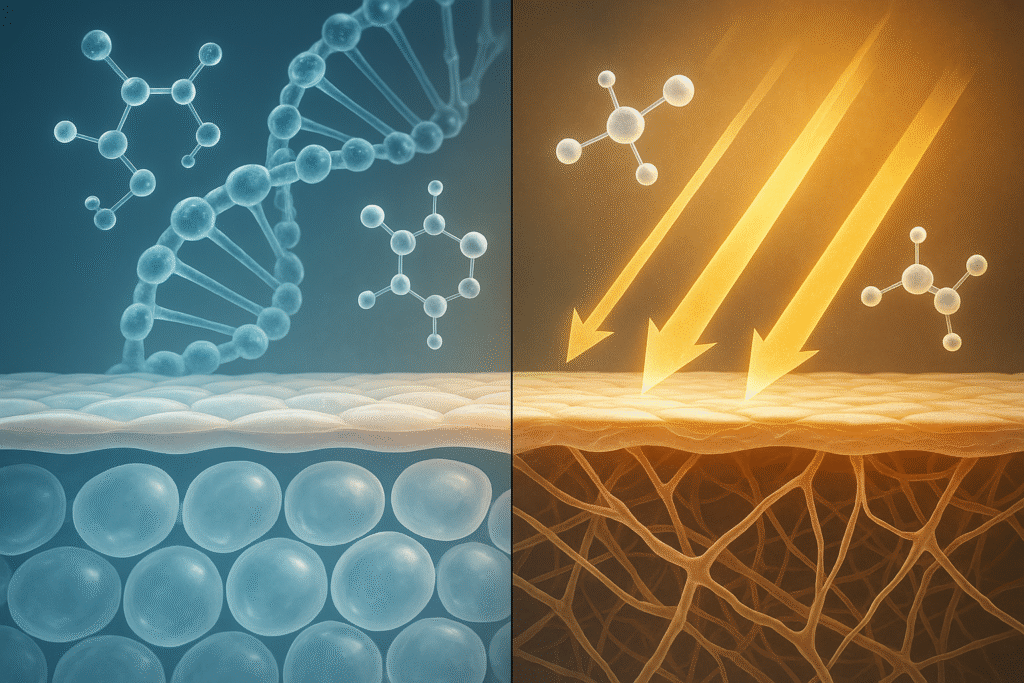
Let's get one thing straight: aging happens at the cellular level, and it's influenced by both intrinsic factors (genetics, hormones) and extrinsic factors (sun exposure, pollution, lifestyle choices). The visible signs of aging – wrinkles, loss of elasticity, hyperpigmentation, and volume loss – result from the breakdown of collagen and elastin fibers, decreased cell turnover, and cumulative damage from free radicals.
The most significant contributor to premature skin aging is photoaging, caused by ultraviolet (UV) radiation from the sun. Studies show that up to 80% of visible facial aging is attributed to sun exposure, not chronological aging. This means that the most effective anti-aging strategy isn't found in a $300 serum – it's in a $15 bottle of sunscreen used consistently every single day.
When it comes to topical treatments, the gold standard ingredients backed by decades of research include:
- Retinoids: The only topical ingredient proven to stimulate collagen production and accelerate cell turnover. Tretinoin, the prescription-strength version, has the most robust clinical data.
- Vitamin C: A potent antioxidant that protects against free radical damage and supports collagen synthesis when used in stable, well-formulated products.
- Alpha Hydroxy Acids (AHAs): Glycolic and lactic acids improve skin texture and tone by promoting exfoliation and stimulating cell renewal.
Sources:
[4] Pullar, J. M., et al. (2017). The roles of vitamin C in skin health. Nutrients, 9(8), 866.
Skincare Without the Drama - Evidence-Based Anti-Aging Strategies
Effective anti-aging isn't about chasing the latest trend or spending your retirement fund on skincare. It's about implementing proven strategies consistently over time:
The most powerful anti-aging tool isn't a serum or a procedure – it's prevention. Here's what actually works:
Sun Protection (The Non-Negotiable):
- Use broad-spectrum SPF 30+ daily, rain or shine, indoors or outdoors
- Reapply every 2 hours when exposed to sunlight
- Seek shade during peak UV hours (10 AM - 4 PM)
- Wear protective clothing, wide-brimmed hats, and UV-blocking sunglasses
Lifestyle Factors:
- Sleep: 7-9 hours of quality sleep allows for cellular repair and regeneration
- Hydration: Adequate water intake supports skin barrier function and plumpness
- Nutrition: Antioxidant-rich foods (berries, leafy greens, fatty fish) combat oxidative stress
- Exercise: Improves circulation and promotes healthy cell turnover
- Stress Management: Chronic stress accelerates aging through cortisol production
Focus your anti-aging efforts on ingredients with solid scientific backing:
Retinoids (The Gold Standard):
- Start with over-the-counter retinol (0.25-0.5%) or prescription tretinoin
- Begin with 2-3 applications per week, gradually increasing frequency
- Always use at night and follow with moisturizer
- Expect initial irritation; this typically subsides after 4-6 weeks
Vitamin C (Morning Protection):
- Use L-ascorbic acid (10-20%) for maximum potency, or gentler derivatives like magnesium ascorbyl phosphate
- Apply in the morning before sunscreen
- Store in a cool, dark place to maintain stability
Peptides (Supporting Players):
- While not as potent as retinoids, peptides can support collagen production
- Look for copper peptides, palmitoyl pentapeptide-4, or acetyl hexapeptide-8
- Best used in conjunction with, not instead of, proven actives
Some anti-aging concerns require professional intervention. Here's when to consider stepping beyond at-home care:
- Chemical Peels: Professional-strength AHA or BHA peels can address texture, tone, and fine lines. Typically require a series of treatments for optimal results.
- Microneedling: Stimulates collagen production through controlled micro-injuries. Effective for fine lines, acne scars, and overall skin texture.
- Laser Treatments: Fractional lasers can address deeper wrinkles, sun damage, and skin laxity. Require downtime but offer more dramatic results.
- Injectable Treatments: Botox for dynamic wrinkles (expression lines), dermal fillers for volume loss and static wrinkles. Should only be performed by qualified medical professionals.
Myths and Truths - Debunking Anti-Aging Fallacies
Myth 1: "Expensive anti-aging products work better than affordable ones."
The Truth: "Your wallet might get lighter, but your skin won't always thank you. The efficacy of an anti-aging product depends on its active ingredients and formulation, not its price tag. A $20 retinol serum with the right concentration and stability can outperform a $200 'luxury' cream filled with marketing fluff and minimal actives. Focus on the ingredient list, not the brand prestige."
Myth 2: "You should start anti-aging treatments only when you see wrinkles."
The Truth: "Prevention is infinitely easier than correction. Starting a basic anti-aging routine in your twenties – consisting of sunscreen, gentle exfoliation, and antioxidants – will yield better long-term results than trying to reverse decades of damage in your forties. Your future self will thank you for the early investment in skin health."
True anti-aging isn't about chasing impossible standards or believing in miracle cures. It's about understanding the science of skin aging and implementing evidence-based strategies consistently over time. The most effective anti-aging routine combines prevention (daily sunscreen), proven actives (retinoids, vitamin C), and realistic expectations. Remember: aging gracefully is about maintaining healthy, resilient skin that looks its best at every stage of life, not about trying to freeze time.
Invest in your skin; it's the only place you'll live in forever. Less promise, more science. Your skin deserves treatments that work, not just ones that sound impressive in marketing copy.