

Eco-Friendly Home: Simple Steps for Sustainable Living
Por Gabe Stone
The Environmental Footprint of Modern Homes
Concerned about your environmental impact? In our modern world, the convenience of daily life often comes at an environmental cost. From the products we consume to the energy we use, our homes contribute significantly to our collective ecological footprint. It's easy to feel overwhelmed by the scale of environmental challenges, but the truth is, your home can be a powerful force for good. By making conscious choices, you can transform your living space into a beacon of sustainability, contributing to a healthier planet and a more mindful lifestyle.
Understanding the Hidden Costs of Consumption
Every choice we make, from what we buy to how we dispose of it, has a ripple effect on our planet. Unconscious consumption often leads to excessive waste, depletion of natural resources, and increased carbon emissions. The linear economy model—take, make, dispose—has pushed our planet to its limits. Understanding the hidden costs of this model, both environmentally and socially, is crucial for fostering a more sustainable future. The principles of a circular economy, which emphasize eliminating waste and pollution, circulating products and materials, and regenerating natural systems, offer a powerful alternative [1]. By embracing these principles, we can reduce our impact and create a more resilient system.
Greener Choices for a Healthier Planet
Transforming your home into an eco-friendly haven doesn't require drastic measures. Small, intentional changes can lead to significant positive impacts. Here are some practical strategies to integrate sustainable living into your daily routine:
Tip 1: Reduce, Reuse, Recycle: Beyond the Basics
The classic three R's are the foundation of sustainable living, but we can go beyond the basics. Reduce your consumption by asking if you truly need an item before purchasing it. Opt for reusable alternatives to single-use plastics, such as water bottles, coffee cups, and shopping bags. When it comes to recycling, understand your local guidelines and ensure proper sorting to maximize effectiveness. Consider upcycling old items into new treasures, giving them a second life and reducing waste sent to landfills.
Tip 2: Energy Efficiency: Powering Your Home Responsibly
Your home's energy consumption is a major contributor to your carbon footprint. Simple changes can make a big difference. Unplug electronics when not in use to prevent "phantom load" – the energy they consume even when turned off. Switch to energy-efficient LED lighting. Optimize your heating and cooling by sealing drafts, insulating your home, and using smart thermostats. Consider air-drying your clothes instead of using a dryer, especially during warmer months. These actions not only reduce your environmental impact but also save you money on utility bills.
Tip 3: Mindful Consumption: Buying Less, Living More
True sustainability extends to our purchasing habits. Before buying something new, consider if you can borrow, repair, or buy second-hand. Support local businesses and brands committed to ethical and sustainable practices. Choose products with minimal packaging or those made from recycled and sustainably sourced materials. By making conscious choices about what you bring into your home, you reduce demand for resource-intensive production and support a more responsible economy. Remember, every purchase is a vote for the kind of world you want to live in.
Your Home, Your Planet: A Sustainable Future Starts Now
Your home can heal — if you know where to adjust the energy (and the light from the lamp). By transforming your home into an eco-sanctuary, you not only enhance your own well-being but also contribute to a healthier planet for all. Start today to build a home that reflects your commitment to a sustainable future, fostering a life of purpose and environmental responsibility.
FAST ACTION CHECKLIST:
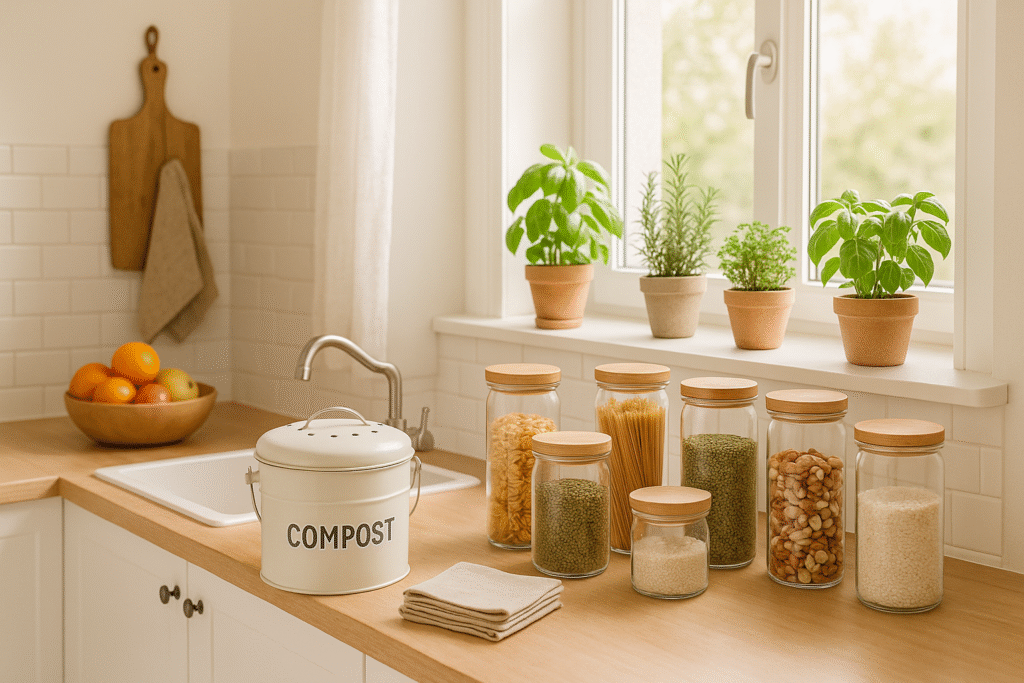
- Start composting your organic waste.
- Unplug electronics when not in use.
- Bring your own reusable bag when shopping.
Note from Gabe Stone:
This article is for informational and educational purposes only. The information contained herein is not a substitute for diagnosis, monitoring, or treatment by healthcare professionals. Before making any significant changes to your environment or lifestyle that could affect your health, seek qualified professional guidance. Your health and your home deserve specialized care.
References:
- Ellen MacArthur Foundation. (n.d.). What is a circular economy? https://www.ellenmacarthurfoundation.org/topics/circular-economy-introduction/overview
